Guide · August 2026
When Auto Body Damage Needs More Than Paint
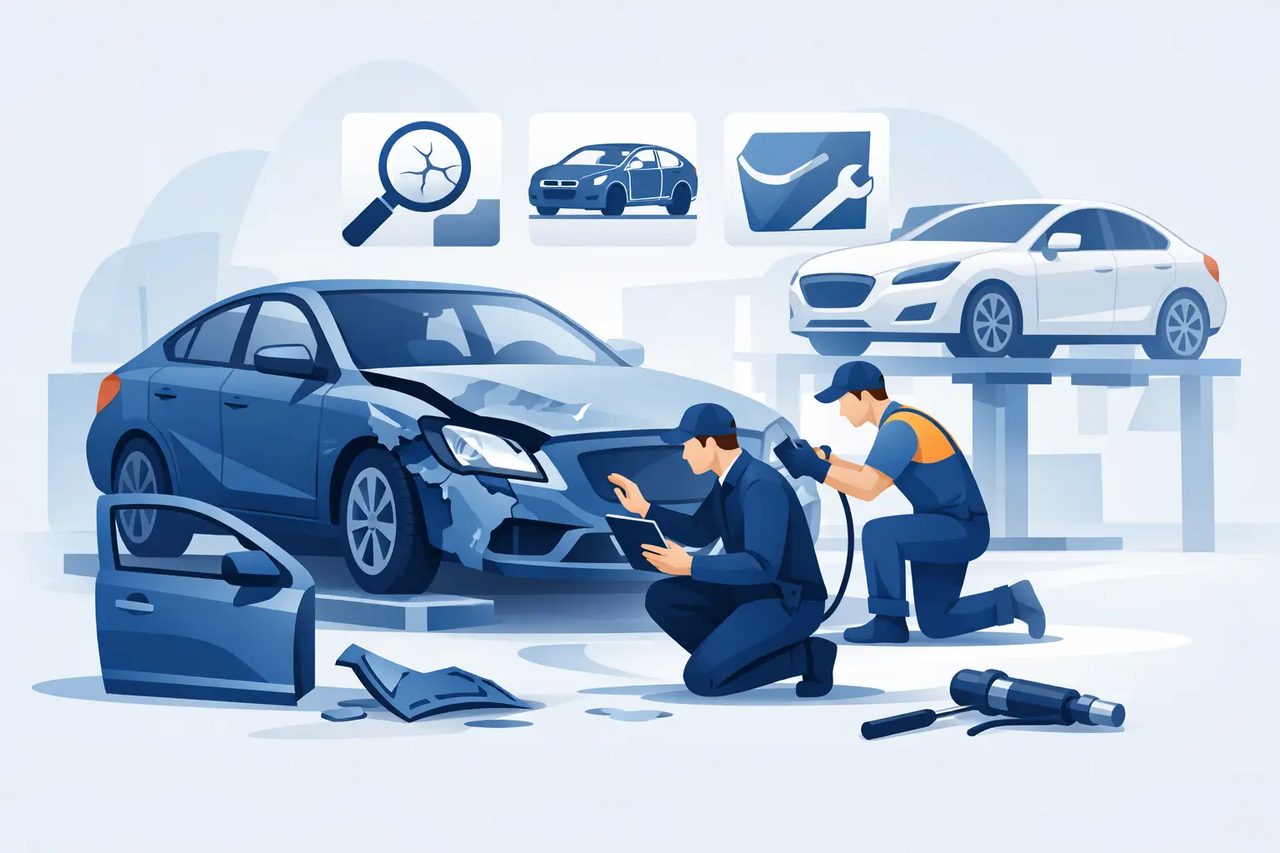
A scraped bumper in a parking lot, a dented door after a storm, or a fender bent in traffic can make any vehicle look worse fast. But auto body damage is not always just a cosmetic problem. Modern vehicles have sensors, impact-absorbing materials, mounts, and safety systems behind many exterior panels. A proper repair protects the way your vehicle looks, drives, and responds in its next unexpected moment.
For Houston drivers who depend on their vehicles for work, school, errands, and family travel, waiting too long can turn minor damage into a bigger repair. Loose panels can worsen, exposed metal can rust, and an impact that seems minor may affect alignment or driver-assist features. The right shop starts by looking beyond the visible scratch or dent.
What Auto Body Repair Actually Covers
Auto body repair includes much more than paint touch-ups. It can involve repairing or replacing damaged bumpers, fenders, doors, hoods, quarter panels, mirrors, grilles, and trim. It also includes dent removal, frame and unibody measurement, panel alignment, professional painting, color matching, and refinishing.
After a collision, a technician should check how the damaged area connects to the rest of the vehicle. A bumper cover may look like a simple plastic panel, but it can hide an energy absorber, reinforcement bar, parking sensors, blind-spot sensors, radar components, brackets, and wiring. The visible damage tells part of the story. A thorough inspection tells the rest.
The repair approach depends on the vehicle, the location of the damage, the severity of the impact, and the condition of the underlying parts. A shallow door dent with intact paint may be repaired without refinishing. A cracked bumper, distorted mounting point, or bent structural component requires a different plan. Good auto body work is not about applying the fastest fix to every problem. It is about choosing a repair that restores fit, function, and appearance without wasting your money.
Do Not Judge Collision Damage by Appearance
A vehicle can drive away after an accident and still have issues that need attention. If the steering wheel is off-center, the vehicle pulls to one side, a wheel rubs, or you hear new rattles after an impact, schedule an inspection. These signs can point to suspension, alignment, wheel, tire, or mounting damage that should not be ignored.
Damage Behind the Bumper
Low-speed collisions often leave a bumper scuffed, split, or pushed out of place. Sometimes the repair is limited to the cover and its retainers. Other times, the impact has damaged the absorber, reinforcement bar, sensors, or mounts behind it.
This matters because the bumper system is designed to manage impact energy. Repainting a damaged cover without checking the parts beneath it can leave you with a vehicle that looks better but is not fully restored. If warning lights appear after a collision, that is an even stronger reason to have the vehicle inspected.
Doors, Fenders, and Panel Gaps
A door that takes extra force to close or a fender with an uneven gap is more than an appearance issue. Misaligned panels can create wind noise, allow water into areas where it does not belong, or affect how a door latches. On newer vehicles, a damaged mirror or door panel may also affect cameras, turn signals, and blind-spot monitoring.
Professional repair focuses on panel fit before final paint. Straight body lines, even gaps, and properly operating doors are signs that the repair was handled with care.
A Smart Auto Body Repair Plan Starts With Inspection
Before approving work, ask for a clear explanation of what was found and what is recommended. You should understand which parts are cosmetic, which parts affect safety or function, and whether repair or replacement makes more sense for your situation.
Repairing an original panel can be a good value when the metal can be restored properly and the panel will remain sound. Replacement may be the better choice when a part is cracked, heavily creased, weakened, corroded, or unable to align correctly. The least expensive option is not always the best value if it leads to poor fit, repeat repairs, or reduced protection later.
A dependable repair plan usually includes an initial damage review, an estimate, disassembly when needed to find hidden damage, parts and repair authorization, bodywork, paint preparation, refinishing, reassembly, and a final quality check. Additional damage can occasionally be found after a panel is removed. That is not necessarily a bad sign. It often means the shop is inspecting the repair correctly instead of making assumptions from the outside.
If you have had a collision, bring the vehicle in promptly when you notice any of these issues:
- A warning light, sensor alert, camera problem, or feature that no longer works correctly
- A bumper, fender, splash shield, or underbody panel that is loose or rubbing
- New pulling, vibration, uneven steering, tire wear, or trouble keeping the vehicle straight
- A door, trunk, hood, or hatch that no longer opens, closes, or latches normally
Why Paint Quality Is Part of a Lasting Repair
Paint is the final thing most people notice, but it is one of the last steps in a quality repair. The surface must be cleaned, shaped, primed, sealed, and prepared correctly before color is applied. Rushing that work can lead to visible sanding marks, uneven texture, peeling, mismatched color, or a finish that fails sooner than it should.
Color matching can be especially challenging in Houston sunlight. Metallic, pearl, tri-coat, and older faded finishes may need careful blending into adjacent panels so the repaired area does not stand out. A quality paint job should look right from different angles and in different light, not just inside the shop.
Paint also protects the body from moisture, road debris, and corrosion. Even a small chip that exposes bare metal deserves attention, particularly around wheel openings, rocker panels, and lower doors where water and grime collect. Prompt refinishing helps preserve your vehicle’s appearance and resale value.
One Shop Can Make Post-Accident Repairs Easier
Collision damage does not always stop at the body panel. An impact can affect wheel alignment, suspension components, cooling parts, A/C lines, lights, electrical connections, and mechanical systems. Having body and mechanical repair available in one place can save time and prevent the frustration of moving a damaged vehicle between separate facilities.
Sam Auto Repair & Collision helps Houston-area drivers address both the visible damage and the problems that can show up after an accident. That matters whether you drive a domestic truck, a family SUV, a European sedan, an import, or a high-end vehicle. The goal is simple: identify the actual condition of the vehicle, explain the work clearly, and get you back on the road with confidence.
Protect Your Vehicle After the Repair
Once the repair is complete, take a few minutes to look over the vehicle before you leave. Check that doors, the hood, trunk, or hatch operate smoothly. Make sure lights, cameras, sensors, and power features work as expected. Look at the repaired area in daylight when possible, and ask questions if you see a concern with panel fit or finish.
You can also protect the new finish by avoiding harsh washing methods right away if the shop provides curing instructions. Keep road grime, bird droppings, tree sap, and fuel spills from sitting on freshly repaired surfaces. These small habits help preserve the work and keep your vehicle looking its best.
If your car has dents, paint damage, loose panels, or collision-related warning lights, do not wait for the problem to grow. Bring it in for a straightforward inspection, get answers you can understand, and choose a repair plan that keeps your vehicle safe, presentable, and ready for the miles ahead.