
Guide · July 2026
Auto Paint Scratch Repair Before Rust Spreads
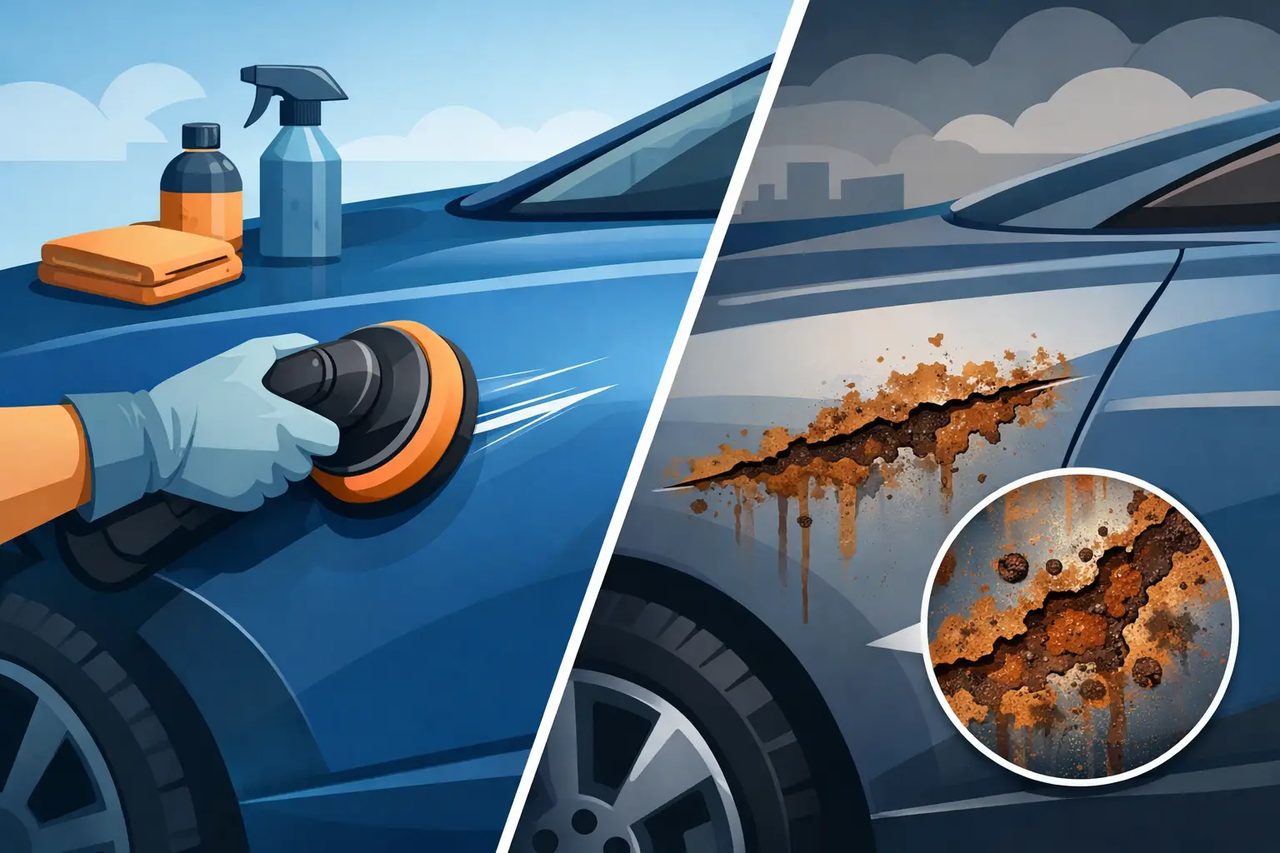
A fresh scratch can look small in the driveway, but Houston heat, rain, road grime, and humidity can turn exposed metal into a larger paint and rust problem. Auto paint scratch repair is not only about making your vehicle look better. It helps protect the body panels beneath the finish, preserve resale value, and prevent a simple repair from becoming bodywork.
The right solution depends on how deep the scratch goes. Some marks can be safely removed or touched up. Others need professional color matching, refinishing, and repair to keep the damage from spreading. Knowing the difference can save time and money.
Start by Finding Out How Deep the Scratch Is
Modern vehicle paint is built in layers. The clear coat provides shine and protection. Beneath it is the color coat, followed by primer and then the metal or plastic body panel. A scratch that only affects the clear coat is usually much easier to correct than one that reaches primer or bare metal.
A quick visual check can help. If the mark looks white but you cannot feel it much with a fingernail, it may be surface transfer or a light clear-coat scratch. If your fingernail catches in the groove, the scratch is likely deeper. Gray, black, or metallic-looking areas often mean the color and primer layers have been damaged.
Do not assume every dark mark is exposed metal. On bumpers and other plastic panels, the material underneath may be black plastic rather than steel. It still deserves attention because damage to the paint can allow moisture in, cause peeling, and make the vehicle look neglected.
Clear-Coat Scuffs and Paint Transfer
Light scuffs from shopping carts, bushes, garage walls, or another car’s bumper can sometimes be polished away. Paint transfer may sit on top of your clear coat instead of cutting through it. A careful wash and professional polishing can often improve these marks without repainting the panel.
The trade-off is that aggressive rubbing or using the wrong compound can thin the clear coat and leave dull spots. If you are not sure whether the mark is transfer or missing paint, have it inspected before trying a heavy-duty scratch remover.
Color-Coat, Primer, and Metal Scratches
When a scratch has removed color, polishing will not put that color back. A touch-up may be enough for a narrow chip or short scratch, especially when the goal is to seal the area and stop corrosion. Larger scratches, damage along a body line, and scratches across multiple panels usually need a more complete repair.
Bare metal should be addressed soon. Houston-area humidity can speed up corrosion once water reaches the panel. Rust can creep beneath surrounding paint, causing bubbling and flaking that expands well beyond the original scratch.
When DIY Auto Paint Scratch Repair Makes Sense
A careful do-it-yourself repair can be practical for a small, isolated chip or shallow scratch in an inconspicuous area. It works best when the paint is not peeling, the panel is not dented, and no rust is present. A matched touch-up product, clean surface, steady hand, and patience are more valuable than trying to rush the job.
First, wash the damaged area with automotive soap and dry it completely. Remove wax, road film, and loose paint so the repair material can adhere. Apply touch-up paint in thin layers rather than trying to fill the scratch in one heavy pass. Let each layer dry as directed before adding more.
If the scratch reaches metal, use the appropriate primer before applying color. A clear coat may be needed after the color coat, depending on the product and vehicle finish. The goal is protection first. A DIY repair may not disappear completely, especially on metallic, pearl, tri-coat, or older faded paint.
Avoid household paint, nail polish, permanent marker, and hardware-store spray paint. These materials rarely match automotive finishes, may react with the existing paint, and can make a later professional repair more involved. The same goes for sanding a scratch without experience. Removing too much surrounding clear coat can create a larger visible defect than the original mark.
When Professional Scratch Repair Is the Better Value
Professional repair is usually the better route when there is exposed metal, rust, a dent, cracked paint, bumper damage, or a scratch that runs across a highly visible area. It is also worth considering for newer vehicles, leased vehicles, luxury models, and vehicles you plan to sell or trade soon.
A body shop can identify whether the panel needs polishing, spot repair, blending, or full refinishing. Color matching is especially important because factory paint can change over time from sun exposure and normal wear. A paint code gets the repair close, but a skilled technician accounts for the condition of the existing finish and blends color into adjacent areas when necessary.
Professional work also matters after a collision. What appears to be a paint scratch can come with a bent bumper cover, damaged mounting points, broken clips, or panel misalignment. If the scratch happened in a parking-lot impact or an accident, a full inspection can catch damage that is easy to miss from the outside.
Sam Auto Repair & Collision can handle body repair, paint work, and the mechanical concerns that sometimes follow an impact under one roof. That means you do not have to visit one shop for cosmetic damage and another for alignment, suspension, or drivability issues.
Repair Choices Depend on the Damage
There is no single price or process for every scratch. A small clear-coat correction takes far less work than repairing a deep key scratch down the side of a vehicle. The panel material matters, too. Steel may need rust treatment, while aluminum and plastic require different preparation methods.
Spot repairs can be a good budget-conscious option when damage is limited and the finish can be blended properly. Full-panel painting may be recommended when the scratch is extensive, clear coat is failing, or a spot repair would remain noticeable. An honest estimate should explain why a particular repair is recommended and what result you can expect.
Protect the Repair After the Paint Work Is Done
Once the scratch is repaired, give the finish a fair chance to last. Follow the shop’s instructions on washing and waxing, especially after fresh paint. New paint needs time to cure, and harsh chemicals or automatic brushes too soon can affect the finish.
For everyday protection, wash off bird droppings, tree sap, road salt residue, and fuel spills promptly. Keep a safe following distance on gravel roads and construction routes when possible. Parking farther from crowded entrances can also reduce the chances of another door ding or cart scrape.
Paint protection film and quality sealants can help in high-impact areas such as the front bumper, hood edge, mirror caps, and door edges. They are not a replacement for careful driving, but they can reduce the damage from everyday debris and light contact.
Do Not Wait for a Scratch to Get Worse
A small scratch is one of those vehicle problems that is easiest to handle early. Once corrosion starts or surrounding paint begins to lift, the repair often becomes larger than it needed to be. Taking a few minutes to inspect the damage now can protect your vehicle’s appearance and the panel underneath it.
If you are unsure whether your scratch needs touch-up paint, polishing, or body repair, bring the vehicle in for a straightforward assessment. Getting a clear answer early is often the most affordable way to keep a minor paint problem from following you down the road.