Guide · September 2026
How to Select a Bodywork Shop You Can Trust
A dented door or cracked bumper can feel like a simple cosmetic problem until the estimate arrives, the paint does not match, or a hidden issue shows up after the repair. Knowing how to select a bodywork shop gives you a better chance of getting your vehicle repaired correctly, safely, and at a fair price. For Houston drivers who rely on their cars for work, school runs, and daily errands, the right shop should make a stressful situation easier to manage.
Start With the Type of Damage Your Vehicle Has
Not every shop handles the same kind of work equally well. A small parking-lot dent, hail damage, bumper scuff, collision damage, and a vehicle with frame or suspension concerns can require very different levels of equipment, training, and repair planning.
For minor cosmetic work, look for a shop that can explain whether paintless dent repair, refinishing, or panel repair makes the most sense. Paintless dent repair may save time and preserve the factory finish when the paint is intact and the dent is accessible. It is not the right answer for every dent, especially if the metal is sharply creased or the paint is damaged.
After a collision, cosmetic appearance is only part of the job. Ask whether the shop checks for damage behind the bumper cover, under the hood, around wheel and suspension components, and in areas that affect alignment. A car can look good from the outside while still pulling to one side, wearing tires unevenly, or carrying damage that needs attention before it is fully road-ready.
A shop that also handles mechanical repair can be especially helpful after an accident. Instead of sending you elsewhere for an alignment, A/C issue, warning light, brake concern, or suspension problem, it can coordinate the full repair in one place.
How to Select a Bodywork Shop Before You Approve Repairs
The best time to compare body shops is before you sign an authorization form or agree to a repair plan. Start by looking for an established local business with experience working on vehicles like yours. Whether you drive a domestic truck, an Asian sedan, a European SUV, or a luxury import, the shop should be comfortable explaining its experience with that make and the materials or systems involved.
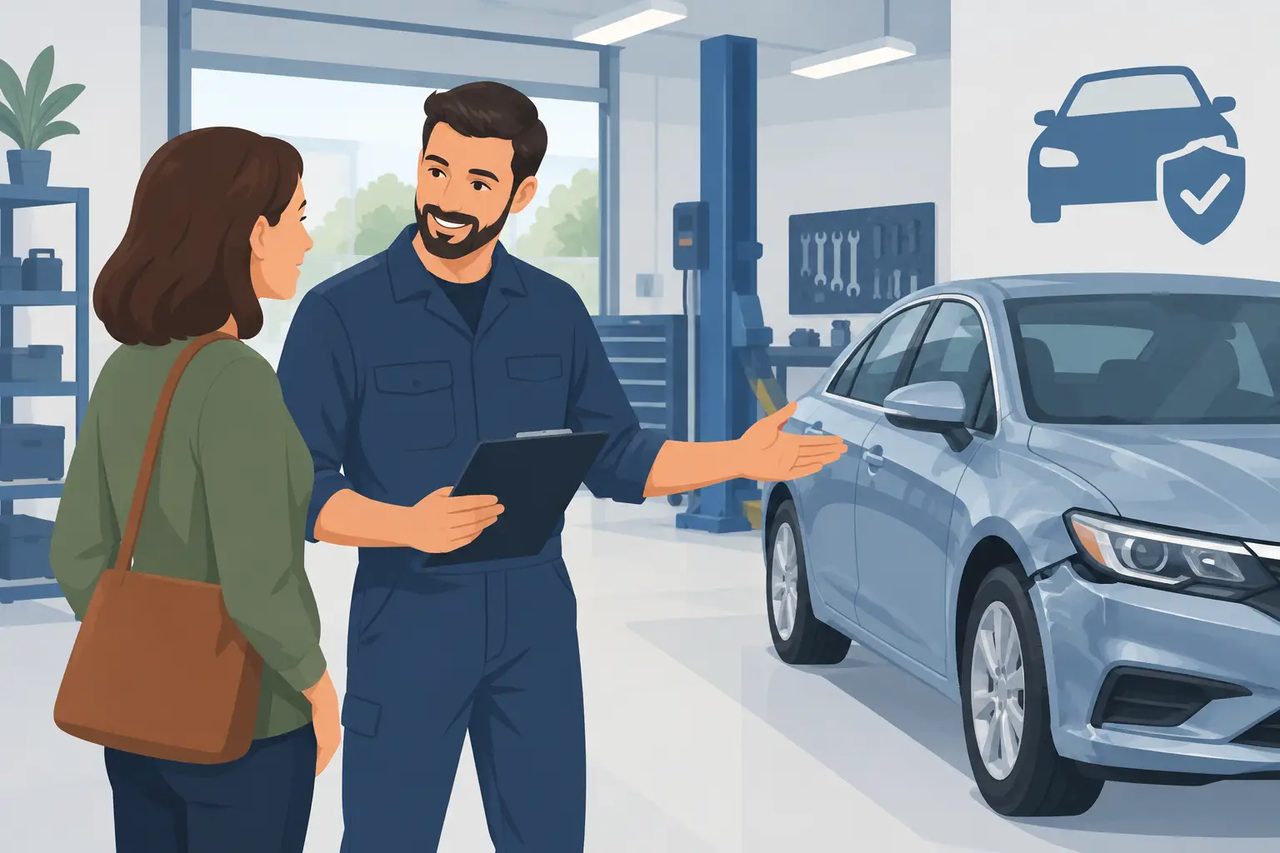
Ask direct questions. You should not have to guess what is being repaired, why it is needed, or what your options are. A dependable shop will walk you through the visible damage, explain where hidden damage may be found, and tell you what happens if the estimate changes after teardown.
Pay attention to how the staff handles the first conversation. Are they listening to your concerns? Do they explain repairs in plain language? Are they focused on safety and proper repair procedures rather than promising the lowest number immediately? Clear answers at the beginning are often a good sign of how the rest of the repair will be handled.
Request a Written, Itemized Estimate
An estimate should give you more than one total at the bottom of a page. It should identify labor, parts, paint and materials, and any expected repair operations. Depending on the damage, this may include removing and reinstalling trim, repairing or replacing a panel, blending paint into adjacent panels, checking wheel alignment, or scanning vehicle systems.
Do not assume two estimates cover the same work simply because the final totals are close. One shop may plan to repair a part, while another may recommend replacement. One may include proper paint blending, while another may quote only the damaged panel. The lower estimate is not always the better value if it leaves out necessary steps.
You should also ask about parts. Original equipment manufacturer parts, aftermarket parts, and recycled parts all have a place in collision repair, but there are trade-offs. OEM parts may be preferred for fit, finish, or specific safety-related components. Quality aftermarket or recycled parts can help control costs in the right situation. A good shop will explain the choice instead of making it confusing.
Ask How the Shop Handles Supplements
A supplement is an additional estimate submitted after the shop finds damage that was not visible during the initial inspection. Supplements are common after accidents because bumper covers, fenders, and other panels can hide broken brackets, bent supports, damaged sensors, or mechanical issues.
The concern is not whether a supplement is needed. The concern is whether the shop communicates quickly and gets approval before moving forward. Ask who will contact you, how insurance-related updates are handled, and whether the repair timeline may change. Honest communication protects you from surprises and helps you plan transportation while your vehicle is in the shop.
Look Beyond a Shiny Paint Job
A clean exterior finish matters, but a quality body repair is more than paint. Panel gaps should look even. Doors, hoods, and trunks should open and close properly. Bumpers should sit securely. The color should match under different lighting, not just inside a service bay.
Ask whether the shop uses a paint-matching process and whether adjacent panels may need to be blended. Metallic and pearl colors can be difficult to match exactly when only one panel is painted. Blending may add cost, but it can produce a more natural result. The right choice depends on the paint color, the location of the repair, and the condition of the surrounding panels.
Also ask about the repair warranty. A shop should be clear about what is covered, how long coverage lasts, and what you should do if you notice a problem after pickup. Keep your estimate, invoice, warranty information, and any photos of the damage in a safe place.
Check for Safety-Focused Repair Planning
Modern vehicles carry more technology behind their body panels than many drivers realize. Cameras, parking sensors, blind-spot systems, radar components, airbags, and wiring may all be affected by a collision. A bumper replacement may involve more than installing a new cover and applying paint.
Ask whether the shop performs needed diagnostic scans and calibrations after repairs. The exact needs depend on your vehicle and where it was damaged. A minor rear-end impact may not require the same work as a front collision involving sensors, headlights, steering, or suspension. What matters is that the shop inspects the vehicle thoroughly rather than treating every repair as cosmetic.
If your steering wheel is off-center, the vehicle pulls, the tire wear looks uneven, or a warning light comes on after an impact, mention it before repairs begin. These are practical signs that mechanical inspection, alignment service, or further diagnostics may be needed.
Consider Reviews, Reputation, and Communication
Online reviews can help, but read them with a practical eye. Look for patterns instead of focusing on one unusually positive or negative comment. Repeated feedback about clear communication, fair estimates, workmanship, timeliness, and helpful staff tells you more than a star rating alone.
You can also ask friends, family members, or coworkers where they have had bodywork done. A local recommendation is useful when it comes from someone who had a repair similar to yours and can speak to the vehicle’s condition after a few months, not just the day it was picked up.
Still, reputation should not replace a conversation. Every repair is different, and even a well-reviewed shop should explain your specific repair plan. If you feel pressured, receive vague answers, or cannot get a clear timeline, it is reasonable to seek another estimate.
Do Not Let Insurance Choose the Conversation
If you are filing an insurance claim, you may be given a list of repair facilities. That list can be a starting point, but you can still ask questions and choose a shop you trust. Let the shop know whether you have a claim number, whether an adjuster has inspected the vehicle, and whether you need help understanding the estimate.
A professional body shop can work through the repair process with you, but it should not rush you into decisions you do not understand. Confirm your deductible, ask how approvals will be communicated, and make sure you know whether your estimate could change if hidden damage is found.
For drivers who need both collision work and mechanical attention, Sam Auto Repair & Collision can inspect the bigger picture, from visible body damage to alignment, suspension, A/C, brakes, and other concerns that affect daily driving.
Make the Final Choice With Confidence
Price matters, especially when you are paying out of pocket. But the cheapest quote can become expensive if the repair leaves you with poor paint match, loose trim, warning lights, or unresolved collision damage. Choose the shop that offers a clear plan, explains the trade-offs, uses appropriate parts and procedures, and treats your vehicle like transportation you depend on.
Before you approve the work, make sure you understand the estimate, expected timeline, communication process, warranty, and any mechanical or safety checks recommended for your vehicle. A good bodywork shop will not make you feel like you are asking too many questions. It will help you get back on Houston roads with confidence in the repair.