Guide · July 2026
Insurance Collision Repair Estimate: What to Check
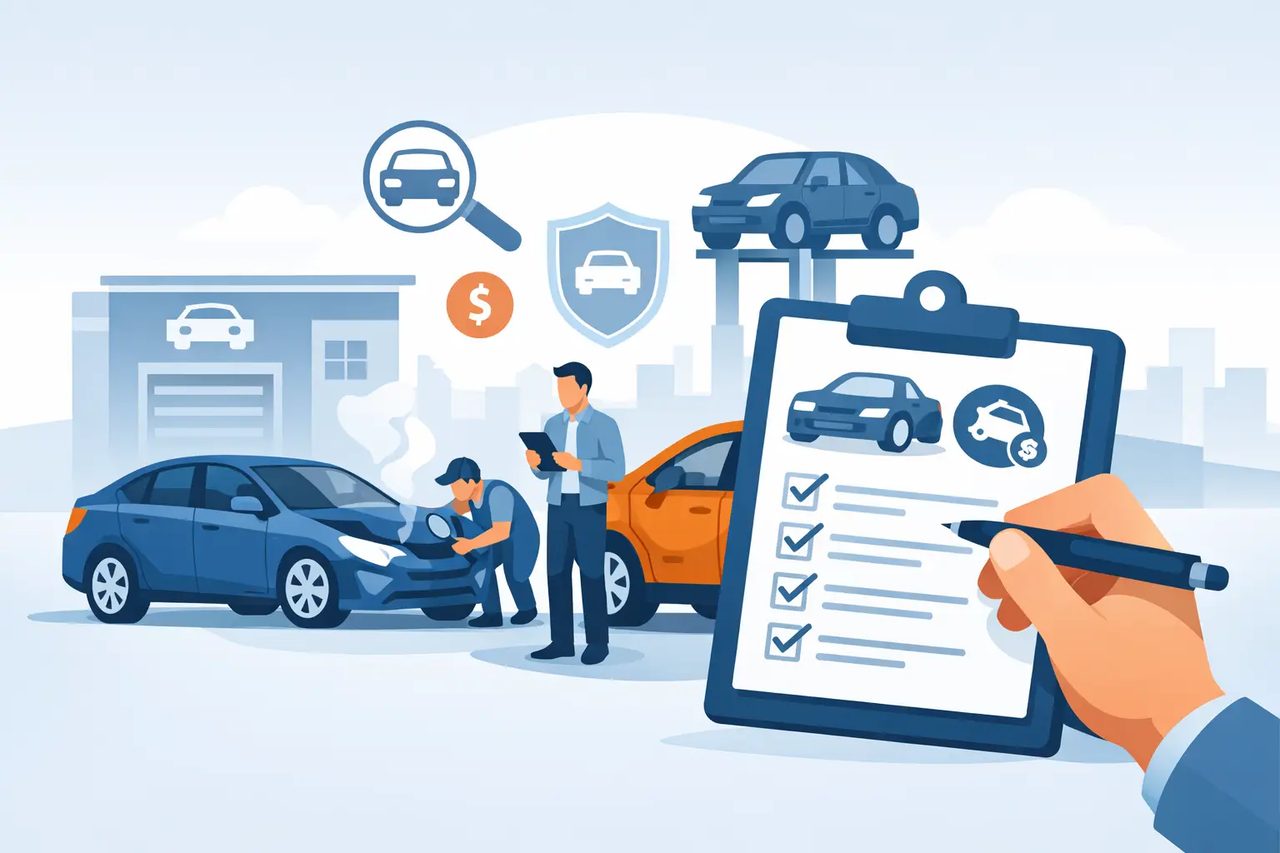
A fender dent can look simple until the estimate arrives with parts, labor, paint work, and a deductible you did not expect. An insurance collision repair estimate is the starting point for returning your vehicle to safe, reliable condition, but it is not always the final repair bill. Knowing what the document covers helps you ask the right questions, avoid rushed decisions, and keep your claim moving.
What an Insurance Collision Repair Estimate Includes
An estimate is a written breakdown of the repairs believed necessary after a collision. It may be prepared by an insurance adjuster, a repair facility, or both. The goal is to identify visible damage, assign labor times, price replacement parts, and calculate the cost to restore the vehicle.
Most estimates separate work into categories such as body labor, paint labor, mechanical labor, replacement parts, materials, and shop operations. You may also see charges for scanning vehicle systems, wheel alignment, air conditioning service, structural measuring, or blending paint into adjacent panels for a proper color match.
The first estimate is often based on what can be seen without taking the vehicle apart. A cracked bumper cover, bent fender, broken headlight, or scraped door may be obvious. Damage behind those parts may not be. Modern vehicles hide sensors, wiring, brackets, cooling components, reinforcement bars, and safety systems behind exterior panels.
That is why a lower estimate is not automatically a better estimate. It may simply mean the repairer has not yet had the opportunity to inspect hidden damage.
Why the Initial Estimate Can Change
Once a shop removes damaged panels, it may find broken clips, bent mounting points, damaged radiator supports, suspension damage, or sensor components that were not visible during the first inspection. In that situation, the shop documents the additional damage and submits a supplement to the insurer.
A supplement is a normal part of collision repair, not a sign that someone made a mistake. It is how the repair plan is updated when the actual condition of the vehicle becomes clear. The insurer generally reviews the new documentation before approving additional covered repairs.
For Houston drivers, this matters after even a moderate impact. A parking-lot collision may affect a bumper sensor or headlight mounting tab. A curb strike after a crash can cause alignment or suspension concerns. A rear-end impact can damage trunk components, backup camera wiring, or the exhaust system. The vehicle may still drive, but that does not mean it is ready for daily commuting.
Ask the repair facility how it handles supplements and whether its team will communicate directly with the insurance company. Clear communication can prevent unnecessary delays and keep you informed about the repair timeline.
How to Read Your Collision Repair Estimate
You do not need to be a technician to review an estimate carefully. Start by confirming the basics: your name, vehicle identification number, year, make, model, claim number, and date of loss. A wrong trim level or vehicle option can affect parts pricing and repair procedures.
Next, compare the listed damaged areas to what happened in the accident. If your wheel took a hard hit, but there is no mention of alignment, suspension inspection, or tire damage, ask whether those items will be checked. If a front impact damaged the bumper, ask whether the vehicle needs a pre-repair scan for warning lights, sensors, cameras, or driver-assistance systems.
Pay attention to repair versus replace decisions. A qualified body technician may be able to repair a panel safely, which can control costs and preserve the original fit of the vehicle. In other cases, a panel is too damaged, creased, or compromised to repair correctly and should be replaced. The right answer depends on the location and severity of the damage, manufacturer procedures, corrosion protection requirements, and safety considerations.
Also look for paint-related entries. Repainting one panel often requires blending color into nearby panels so the repair does not stand out in sunlight. That extra work can be necessary even when the adjacent panel was not directly damaged. A good estimate explains the work needed to restore the vehicle’s appearance, not just cover the dent.
Parts Choices Matter More Than Many Drivers Realize
Your estimate may identify original equipment manufacturer parts, aftermarket parts, recycled parts, or reconditioned parts. Each option can make sense in the right situation.
OEM parts are made by or for the vehicle manufacturer and are often preferred when fit, safety-system compatibility, finish, or warranty expectations are especially important. They can cost more, and insurance policies do not always require OEM parts. Aftermarket parts are produced by third-party manufacturers. Quality varies, so fit and finish should be evaluated carefully. Recycled parts can be a practical value option for certain undamaged components, particularly on older vehicles, but they should be inspected for condition and compatibility.
Do not assume every repair requires the most expensive part, and do not assume the least expensive option is always acceptable. Ask the shop what part type is listed, why it is recommended, and whether it affects fit, function, safety features, or repair warranty. For newer vehicles with cameras, radar, parking sensors, or advanced lighting, the part choice and calibration process deserve special attention.
Your Deductible and What You May Owe
Your deductible is the amount you agreed to pay under your collision coverage before insurance pays the covered balance. If your approved repair total is $4,000 and your deductible is $500, the insurer typically pays $3,500 and you pay $500 to the repair facility.
The deductible is not an extra repair charge created by the shop. It comes from your insurance policy. If another driver is clearly responsible, their liability carrier may eventually pay for the repairs without you paying your collision deductible. However, fault decisions and claim timing can vary. Some drivers use their own collision coverage to begin repairs sooner, then work with their insurer on reimbursement if appropriate.
If the estimate includes maintenance issues or prior damage unrelated to the accident, insurance may not cover those items. A reliable shop should separate collision-related repairs from customer-pay maintenance or pre-existing concerns. That gives you the information needed to decide what should be completed while the vehicle is already in the shop.
Choose a Repair Shop Based on the Repair Plan
You can generally choose the repair shop you want to use, even if your insurer provides a list of preferred facilities. An insurer may recommend a network shop, but the decision is yours. Choose a facility that can explain the repair plan, work with your insurance carrier, and perform the mechanical and body work your vehicle needs.
This is especially valuable when collision damage crosses more than one system. A damaged bumper may involve bodywork, paint, sensors, alignment, cooling components, or air conditioning parts. Sending the vehicle between separate providers can add time and create confusion about responsibility. Sam Auto Repair & Collision can inspect collision damage alongside mechanical concerns, helping Houston-area drivers address the full condition of the vehicle under one roof.
Before authorizing repairs, ask who will perform diagnostics, structural measurements, alignments, scans, and sensor calibrations. Ask whether the repair includes corrosion protection, proper refinishing materials, and a written warranty. You should also ask for a realistic timeline, while understanding that parts availability and supplemental approvals can affect completion dates.
Do Not Ignore Safety Checks After a Crash
A vehicle can look repaired on the outside while still needing important safety-related work. If you notice a steering pull, vibration, uneven tire wear, warning lights, brake changes, fluid leaks, overheating, or unusual noises after a collision, report it immediately. These symptoms may point to damage that needs inspection before regular driving resumes.
Modern vehicles also rely on electronic systems that may need scanning or calibration after repairs. Cameras, blind-spot monitoring, adaptive cruise control, lane-assist features, and parking sensors can require specific procedures after a bumper, windshield, suspension, wheel, or body panel is repaired or replaced. Skipping those steps to save money can leave a system working incorrectly when you need it most.
If the insurer decides the repair cost is close to or greater than the vehicle’s value, the claim may be handled as a total loss rather than a repair. If that happens, request a clear explanation of the valuation and review the vehicle details and condition used in the calculation. Mileage, trim level, options, and pre-loss condition can make a difference.
Questions Worth Asking Before You Sign
A clear conversation now can save frustration later. Ask whether the estimate is preliminary, whether hidden damage is expected, and how supplements will be approved. Confirm your deductible, the parts types being used, and whether scans, alignment checks, and calibrations are included where needed.
You should also ask whether the shop found any unrelated maintenance concerns. If your brakes, tires, A/C system, or suspension already need attention, you may prefer to handle that work while the vehicle is being repaired. There is no obligation to add non-collision work, but knowing the condition of your vehicle helps you plan around your budget and avoids another appointment soon after pickup.
A trustworthy repair estimate should make you feel informed, not pressured. Bring your claim information, ask for plain answers, and choose repairs that protect the people who rely on your vehicle every day. The fastest path back on the road is not cutting corners – it is getting the repair plan right from the start.