Guide · September 2026
When Transmission Fluid Changes Protect Your Car
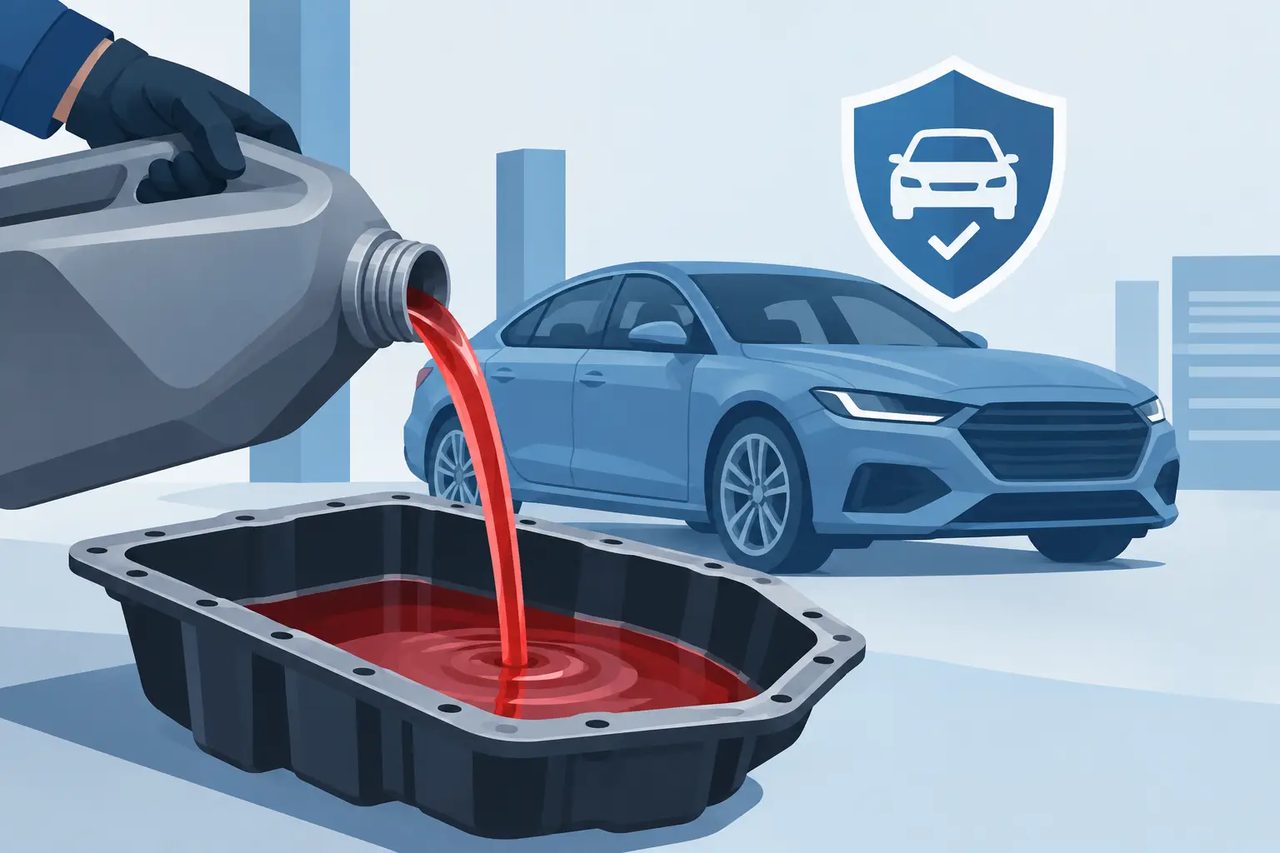
Houston traffic, high summer temperatures, and stop-and-go commuting all put extra strain on an automatic transmission. Transmission fluid changes are one of the most practical ways to reduce that strain before it turns into slipping gears, harsh shifts, overheating, or a repair bill that disrupts your budget.
Your transmission depends on the right fluid to lubricate moving parts, control heat, transfer hydraulic pressure, and help the vehicle shift properly. When that fluid breaks down or becomes contaminated, the transmission has to work harder. You may not notice a problem right away, but wear can build with every commute, school run, delivery route, or weekend trip.
Why Transmission Fluid Changes Matter
Automatic transmission fluid is not just a lubricant. It also helps operate the internal clutch packs and valves that allow an automatic transmission to shift. In a manual transmission, the fluid protects gears, bearings, and other moving components. Many newer vehicles also use specialized fluids for continuously variable transmissions, known as CVTs, and dual-clutch transmissions.
Heat is the biggest enemy. Over time, fluid can oxidize and lose its ability to protect internal parts. Tiny metal particles and clutch material can also collect in the fluid. A properly timed service removes old fluid and, when the vehicle design allows it, replaces the filter or cleans the pan and magnet where debris can gather.
A fluid service cannot reverse existing internal damage, and it will not fix every shifting concern. But it can help prevent avoidable wear and give a technician a chance to spot leaks, unusual debris, or fluid discoloration before a small issue becomes a larger one.
When Should You Schedule a Transmission Fluid Change?
The best answer is in your vehicle owner’s manual. Service intervals vary widely by make, model, transmission design, model year, driving habits, and the exact fluid required. Some manufacturers recommend service at a specific mileage, while others list severe-service intervals for vehicles used in heavy traffic, extreme heat, towing, rideshare driving, frequent short trips, or commercial use.
For many Houston drivers, severe-use guidance is more realistic than it sounds. Long idle times in traffic, hot pavement, loaded family vehicles, and regular highway-to-city driving can all raise operating temperatures. That does not mean every vehicle needs transmission service at the same mileage. It means the service schedule should be based on how your car is actually used, not a one-size-fits-all rule.
If you bought a used vehicle and do not have clear maintenance records, a professional inspection is a smart starting point. A technician can check for leaks, scan for transmission-related trouble codes when needed, assess the fluid condition where it can be inspected, and recommend the appropriate next step for your vehicle.
Do Not Rely on Fluid Color Alone
Fresh transmission fluid can be red, amber, blue, green, or another color depending on the manufacturer. It may darken naturally with use. Color by itself does not confirm that the fluid is bad, and some modern transmissions do not have a traditional dipstick for a quick driveway check.
A burnt smell, visible debris, low fluid level, or fluid that has clearly changed character can point to a problem, but diagnosis still matters. The correct fluid level often has to be checked at a specified temperature and with the vehicle level. Adding the wrong fluid or overfilling the transmission can create trouble rather than solve it.
Signs Your Vehicle May Need Attention
Do not wait for a complete transmission failure to ask questions. Schedule an inspection if you notice shifting that feels delayed, rough, or inconsistent. A transmission that slips, revs higher before shifting, shudders when accelerating, makes whining or grinding sounds, or leaves reddish or brown fluid under the vehicle needs prompt attention.
A warning light also deserves a proper diagnostic check. The check engine light can come on for transmission-related codes, but it can also be triggered by engine, sensor, or emissions issues that affect how the vehicle drives. Guessing at a fluid change without identifying the cause may waste money and leave the real problem unresolved.
If the vehicle suddenly will not move, loses reverse, overheats, or produces a strong burning odor, avoid continued driving. Pull over safely and arrange for a professional evaluation. Continuing to drive with severe slipping or overheating can damage components quickly.
Fluid Change, Drain and Fill, or Flush?
These terms are often used interchangeably, but they are not always the same service. A drain and fill removes the portion of fluid that can drain from the pan or drain plug, then refills the transmission with the manufacturer-approved fluid. Depending on the vehicle, the service may also include a filter replacement, pan gasket, and cleaning of the pan and magnet.
A fluid exchange or flush uses equipment to replace more of the old fluid throughout the system. This can be appropriate for certain vehicles and maintenance histories, but it is not automatically the best choice for every transmission. On an older vehicle with neglected service, existing internal wear, or active shifting problems, the right recommendation depends on a careful inspection and the manufacturer’s procedure.
The key is not choosing the most aggressive-sounding service. It is using the correct method, fluid specification, quantity, and fill procedure for your specific vehicle. Many transmissions require an exact temperature-based level check, and modern CVTs and dual-clutch units are especially sensitive to incorrect fluid.
What a Proper Service Should Include
A quality transmission service starts with identifying the transmission type and checking the manufacturer’s maintenance requirements. The technician should inspect for external leaks, review the vehicle’s symptoms and service history, and use the exact approved fluid rather than a generic substitute that may not meet the required specification.
When the design permits, the pan is removed so the technician can inspect what is inside. A small amount of fine material on a magnet can be normal. Large metal pieces, excessive debris, or a heavy burnt odor may suggest an internal issue that deserves a deeper conversation before any maintenance service proceeds.
After the fluid is replaced, the level must be set correctly. This step matters as much as the fluid itself. Too little fluid can cause poor lubrication and slipping. Too much can aerate the fluid and interfere with hydraulic operation. A road test or follow-up check may be needed to confirm that the transmission shifts as expected.
Protect Your Transmission Between Services
Good driving and maintenance habits can extend transmission life. Address fluid leaks early, because even a slow leak can lower the fluid level over time. Keep the engine cooling system in good condition, since transmission heat is often managed through the radiator or an auxiliary cooler. If you tow, carry heavy loads, or drive a work vehicle, follow the severe-service schedule for your vehicle.
Avoid shifting from drive to reverse before the vehicle comes to a complete stop. Give the vehicle a moment to engage a gear before accelerating, especially on cold mornings. If you notice a new shudder, hesitation, or hard shift, have it checked while the concern is still intermittent and easier to diagnose.
For Houston drivers who need dependable transportation, preventive maintenance is about more than checking a box. It is about avoiding a breakdown during a workday, protecting a family vehicle, and getting more value from the car you already own. Sam Auto Repair & Collision can inspect transmission concerns, explain the condition in plain language, and recommend service based on your vehicle rather than a sales script.
If your shifts feel different, your fluid service history is unclear, or your vehicle is due by the manufacturer’s schedule, make time for an inspection. A straightforward conversation now can help keep a minor maintenance need from becoming a major interruption later.