Guide · August 2026
Why Brakes Squeal: Causes and Safe Next Steps
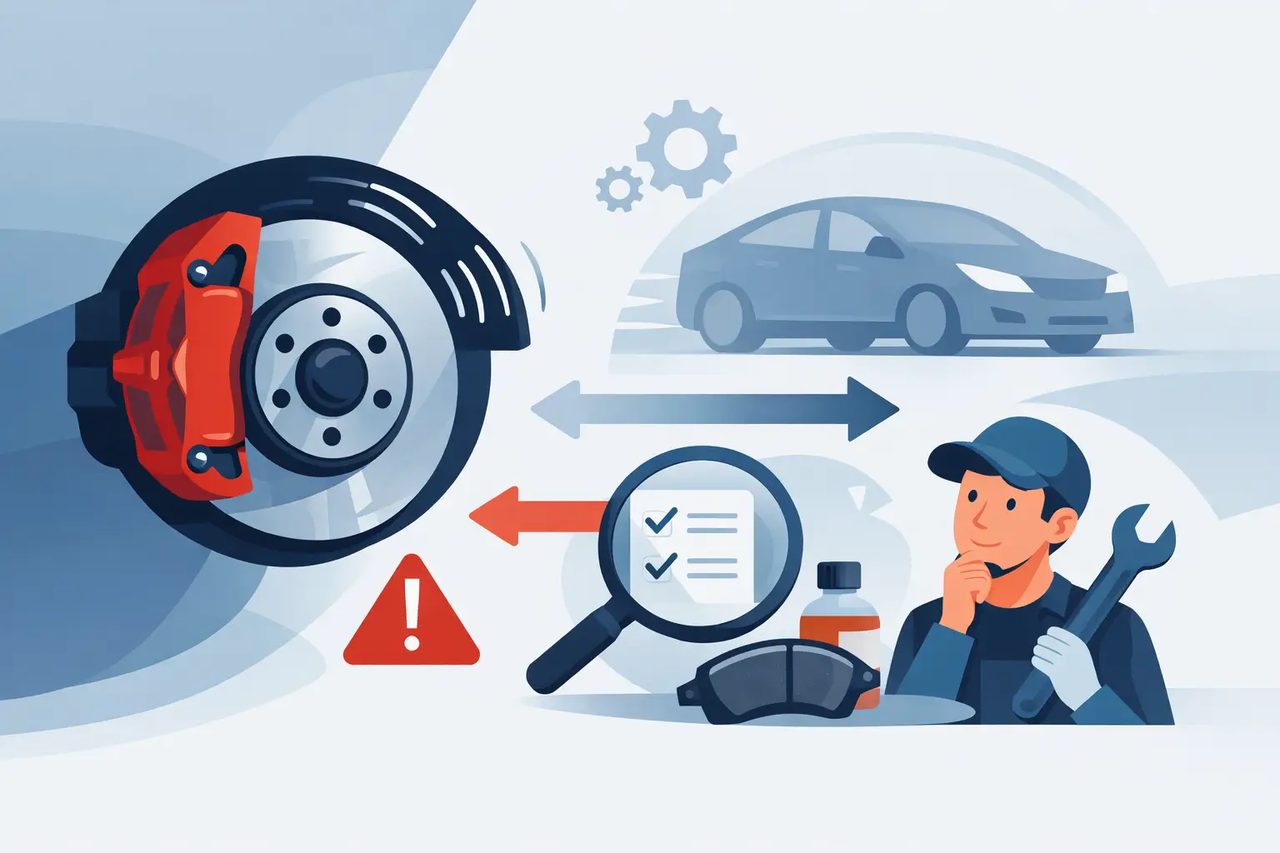
That high-pitched sound at a Houston stoplight can be embarrassing, but the bigger question is whether it is a warning. Why brakes squeal depends on when the noise happens, how long it lasts, and what the brake pedal feels like. Some squeaks are temporary. Others are your vehicle telling you that a brake inspection should not wait.
Brake noise is common on cars, trucks, SUVs, and luxury vehicles alike. The right response is not to guess or keep turning up the radio. Paying attention to the type of sound can help you protect your brake system, avoid more expensive repairs, and keep your vehicle safe for the road.
Why Brakes Squeal When You Stop
Your brakes stop the vehicle by pressing brake pads against rotating metal discs called rotors. That friction creates heat and, under certain conditions, vibration. A squeal is usually a high-frequency vibration between the pad, rotor, and brake hardware.
Not every squeal means the same thing. A brief chirp after rain may have a simple explanation. A steady squeal that gets louder, happens on every stop, or comes with poor braking performance deserves prompt attention. The difference matters because brake pads, rotors, calipers, fluid, and hardware all work together to stop your vehicle safely.
Moisture, rain, and morning surface rust
Houston humidity, rain, and overnight dew can leave a thin layer of moisture on brake rotors. Since rotors are bare metal, they can develop light surface rust while the vehicle sits. The first few stops may produce a squeak, scraping sound, or slight roughness as the pads clean the rotor surface.
If the noise disappears after a few normal stops and the pedal feels firm, this is usually not an emergency. Still, a noise that continues after the vehicle has been driven, returns daily, or is paired with vibration needs a closer look. Moisture may be the trigger, but it can also make an existing pad or rotor issue more noticeable.
Worn brake pads and wear indicators
Many brake pads have a small metal wear indicator designed to make a squealing sound as the pad material gets low. It is not there to annoy you. It is an early warning that the pads are approaching the point where replacement is needed.
This sound often occurs when you apply the brakes and may become more consistent over time. Replacing pads before they wear through helps protect the rotors. Waiting too long can turn a routine brake pad service into a larger repair involving rotors and possibly caliper work.
Glazed pads or rotors
Brake pads and rotors can become glazed when they overheat. Hard braking, repeated stop-and-go driving, hauling heavy loads, or riding the brakes downhill can make the surfaces overly smooth and hard. Instead of gripping evenly, the pads may squeal, chatter, or feel less responsive.
Glazing does not always mean every brake component must be replaced. It depends on pad thickness, rotor condition, and whether the parts are still within safe specifications. A technician should inspect the system rather than simply spray a noise-reducing product on the brakes. A temporary quieter sound does not correct worn or overheated parts.
Brake dust, loose hardware, or pad fitment
Brake dust and road debris can build up around pads and hardware. In some cases, the anti-rattle clips, shims, or pad backing plates are worn, missing, bent, or improperly installed. That allows small movements that create noise when the brakes are applied or released.
This is one reason brake service should include more than swapping pads. The technician should inspect the caliper slides, hardware, rotor surfaces, brake hoses, and overall operation. Quality parts and correct installation matter, especially on European, high-performance, and heavier vehicles where brake designs can vary significantly.
Pads that are made to perform differently
Some brake pads naturally make more noise than others. Performance-oriented pads often provide strong stopping power at higher temperatures, but they can squeal more during regular neighborhood driving. Certain semi-metallic pads may also be noisier than ceramic options.
There is a trade-off. Ceramic pads are often quieter and produce less visible dust, while other materials may suit heavy-duty use, towing, or particular vehicle applications better. The best pad is not always the cheapest pad or the quietest pad. It should match your vehicle, driving habits, and safety needs.
When Brake Squealing Is a Safety Concern
A squeal is worth scheduling, but a grinding sound is more urgent. Grinding can mean the brake pad friction material is gone and metal is contacting the rotor. Continuing to drive can damage rotors quickly and reduce braking effectiveness.
Do not ignore brake noise when it comes with a soft pedal, a pedal that sinks toward the floor, a pulling sensation, steering-wheel vibration, a burning smell, a brake warning light, or noticeably longer stopping distances. These symptoms can point to problems beyond normal pad wear, including stuck calipers, brake fluid issues, uneven rotor wear, or suspension concerns that affect braking control.
If your vehicle pulls sharply, loses braking power, or the red brake warning light comes on, stop driving when it is safe to do so. Have the vehicle inspected or towed rather than taking chances in traffic.
What You Can Check Before Scheduling Service
You do not need to diagnose the brake system yourself, but a few details will help a repair shop pinpoint the problem faster. Notice whether the sound occurs only on the first stop of the day, only when the brakes are cold, during light braking, or during harder stops. Also pay attention to whether the noise changes when turning or driving over bumps.
Avoid spraying lubricants, cleaners, or household products through the wheel openings. Brakes need clean, dry friction surfaces. The wrong product can contaminate pads and rotors, reduce stopping power, and make the repair more costly.
When you call for service, be ready to share:
- When the squeal began and whether it is getting worse
- Whether the vehicle shakes, pulls, grinds, or has a warning light
- Recent brake work, collision damage, or wheel and tire service
- Whether you drive in heavy traffic, tow, carry loads, or use the vehicle for rideshare work
Those details help separate a brief moisture-related noise from a brake concern that needs immediate attention.
What a Proper Brake Inspection Should Include
A thorough brake inspection starts with the brake pads and rotor condition, but it should not end there. The technician should measure pad thickness, check rotor wear and heat spots, inspect caliper movement, examine brake hardware, and look for fluid leaks or damaged hoses. If there is pulsation or vibration, the inspection may also include wheel bearings, suspension parts, and tire condition.
The goal is to repair the actual cause of the noise, not sell parts that are not needed. Sometimes the answer is a pad replacement and rotor service. Sometimes it is hardware, a sticking caliper, or a simple explanation that the noise is normal after wet weather. Clear diagnostics give you a practical repair plan and let you make decisions based on safety, timing, and budget.
At Sam Auto Repair & Collision, brake concerns are handled with the same attention given to the rest of your vehicle’s safety systems. Whether you drive a family SUV, work truck, commuter car, import, or high-end vehicle, getting an accurate inspection early can prevent a small sound from becoming a larger brake repair.
A brake squeal may be harmless for one rainy morning, but it should never be ignored when it persists or changes. Trust what you hear, pay attention to how the vehicle stops, and schedule a brake check before your next busy drive across Houston.